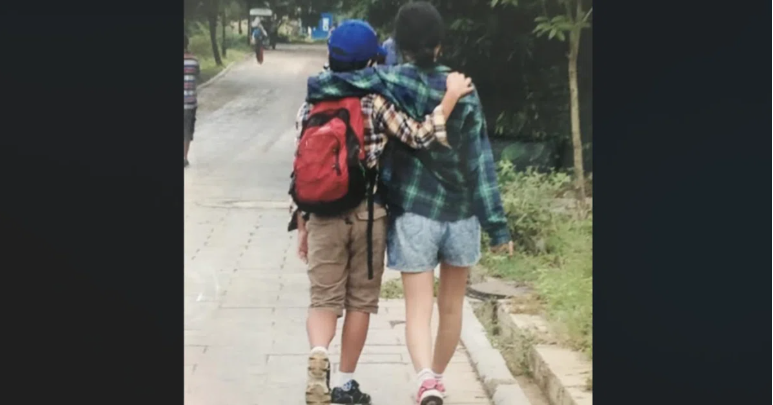
企業の駐在でいいますと、独身者、やむを得ずの単身赴任には申し訳ありませんが、できるだけの家族帯同が、ほんと、様々な利をもたらせてくれます。子供がいれば更に。
深圳ってその昔は治安的にも家族持ちには不安が大きい地でありました。今はかなり変わってしまいましたが。そして、私が勤務した会社の家族帯同の条件の一つは「日本人学校」があることでした。深圳にも日本人学校ができて、そろそろ許可しようか、みたいな会話がたぶんあって、私の駐在が決まる少し前に解禁になり、めでたく帯同できた次第です。思えば私の人生「ラック」がほんと多いなあ。
そんなわけで、深圳での帯同「第一号」でした。当然ながら前例がないところに飛び込むにはかなりのプレッシャーがあります。ちょうど駐在開始のタイミングで日本人商工会のアレンジで「相談会」があったので早速申し込みました。藁をも掴む心境だったのですね。対応してくれたのが日本人学校の当時の校長先生で、まあたぶん一般論を丁寧に話してくれたと思うのですが、後日何らかのイベントでお会いしたときに「近藤さんが相談に来られた時は、すっごく緊張されて体中から心配が溢れていましたよ」って言われたのをよく覚えています。「今では立派に堂々とされていますが」って付けくわえてもくれました(笑)。
仕事面では一応本業を長くやってきた展開ですが、家族での生活は別です。思えばこの時期がウチのファミリーの大きな転換期の一つでしたね。ここから「家庭を強固な防波堤とさせる」プロジェクトに必然的に邁進できたように思います。子供が小学校5年、2年といった年代であったのもよかったかもしれない。たぶん都合のよいことだけが残っているのでしょうが💦(笑)、家族「みんなで」家庭を大事にする礎ができあがったように思います。こういうのって、基本的には同じ文化で安心に包まれている日本社会では、簡単にはできないのではないかとも思います。子供が成人していけば、その「防波堤」の意味合いは違ってきますが、それでも根底には変わっていない部分を発見すると安心します。
海外生活ってやっぱり大変です。一般的なケースで言うと、お父さんはまず間違いなく激務です。まあでもそこは日本での生活とそんなに変わらないかもしれない。昭和のおじさんにとっては。でもお母さんは激変する。強烈な孤立感、疎外感だって放っておけばどんどん大きくなってしまう。子供だって同じでしょう。そこに対処していくには、やっぱりそれぞれの家庭で事情は異なりますが、でも共通するのは「ファミリーの全員で向き合う」ことだと思います。その結果が「結束感」に繋がっていくのだと思います。絶好のチャンスですね。
どこかで、帯同にするか、単身赴任にするか、悩んでいるひとがいれば、ぜひご一読いただけると嬉しいです。たぶん「転換期」の共有ができるでしょう(笑)。
2. English
When it comes to corporate overseas assignments, I must say — and I apologize to those who are single or have no choice but to go on a solo assignment — bringing your family along really brings a wide range of benefits. Even more so if you have children.
Shenzhen, in the past, was a place where families felt quite uneasy in terms of safety and security. That’s changed a lot now. One of the conditions my company had for allowing family accompaniment was the presence of a Japanese school. Once a Japanese school was established in Shenzhen, there were probably some discussions along the lines of, “Maybe it’s time to allow it,” and just before my assignment was decided, the restriction was lifted — which allowed me to bring my family with me. Looking back, I’ve had a lot of “luck” in life.
And so, I became the first person in our company to be officially assigned to Shenzhen with my family. Of course, being the first to step into uncharted territory brought a lot of pressure. Just around the time my assignment started, the Japanese Chamber of Commerce arranged a consultation session, and I signed up right away. I must have been clinging to any help I could find.
The person I spoke with was the principal of the Japanese school at the time. I think he probably gave me a general overview in a very kind and thorough way. Later, when we met again at some event, he said, “When you first came for the consultation, Mr. Kondo, you looked incredibly nervous — I could feel the anxiety pouring out of you.” I still remember that clearly. He added, “But now, you carry yourself with such confidence,” (laughs).
As for work, it was a continuation of what I had been doing for years, so nothing new there. But living as a family overseas was a completely different experience. In hindsight, this period marked a major turning point for our family. From that point on, we naturally moved forward with the “project” of making our home a strong, protective “breakwater.” It might have helped that our kids were in grades five and two at the time.
I suppose I only remember the good parts now 💦 (laughs), but I do feel that during this time, we built a solid foundation for our family — a foundation where we all valued the home, together. I think that’s something that isn’t easily achieved in Japanese society, where you’re basically wrapped in the safety and familiarity of a shared culture. Of course, once the kids become adults, the meaning of that “breakwater” changes. But even so, it’s reassuring to find that its core remains unchanged.
Living overseas really is challenging. In a typical situation, the father is almost certainly working long hours — though that might not be too different from life in Japan, especially for men of the Showa era. But for the mother, life changes drastically. The sense of isolation and alienation can easily grow stronger if left unchecked. And it’s the same for the kids.
How each family deals with that will vary, of course, but I think one thing that’s universally important is that the whole family faces the situation together. That’s what leads to a real sense of unity. It’s a great opportunity, really.
If anyone out there is struggling to decide between going solo or bringing the family along, I’d be really happy if they could read this. I think it might help them relate to what a “turning point” can look like (laughs).


コメント