1.日本語
旅費作りのためのアルバイトをしながら香港マラソンに向けたトレーニングを楽しむ一方で、より本業であるマレーシア旅行記も、着々と進めております。(亀の歩みですが・・💦)。一応仮題は「マレーシア、シンガポールのチャイナタウン、リトルインディア、そして関連寺院を巡る旅」。長いなあ。
今、ジョホールバル編に突入です。
ジョホールバルって、多くの人が最初にくるイメージは「おしゃれなカフェ」じゃあないでしょうか。ここはシンガポールと隣接の地で、大きな開発計画もあり、店もどんどんおしゃれになっていくような気がします。私自身、ジョホールで最初に入った「MY LIBERICA」で、コーヒーは当然ですが、日本の感覚で水を出してもらったのに新鮮なオドロキがありました。
さて、本題の「チャイナタウンとリトルインディア」です。前稿にもう少し追記を致します。

まず、今回旅をした、コタバルとクランを除く、5都市、ペナン、マラッカ、KL,JB(ジョホールバル)、シンガポールの特徴なのですが、結構大きいのが「イギリスの影響度」じゃあないでしょうか。これと、寺院との関連がどこに繋がるか?
それぞれ、訪れた各地の最古ないしはほぼ最古の寺院です。右のCNは中華系、INはインド系です。
第一に、マレーシアの歴史で重要であるのは「移民」でしょう。中華系、インド系の多くの移民は、まず第一段階として、世界の貿易商人が地の利を活かしたマラッカ海峡のマラッカ、ペナン等に集まりました。そして、ペナン、マラッカ、シンガポールの3都市の、1826年のイギリス領海峡植民地の成立で、第二段階を迎えました。イギリスは本格的に中国、インドから人を集めてマレーシアに送り込み、そこで現在の多民族社会としての構図ができあがりました。
下記のそれぞれの地での最古ないしはほぼ最古の寺院は、マラッカ、ペナン、シンガポールではほとんどが第一段階で、少し遅れKLとジョホールが第二段階にあることが、おおまかなイギリスの影響度と寺院との関連、といえます。
そして第二なのですが、更にジョホールは、昔からジョホール王国の力が強く、移民も遅れたがために、寺院の建立も後発となったように思われます。

そして、ジョホールの中華系での歴史を飾る人物の一人が「Tan Hiok Nee (陳旭年)」です。中華系の民族リーダーであるKapitan を務め、1875年にJohor Ancient Temple を建立しました。
Johor Ancient Temple とTan Hiok Nee の栄光を讃えるTan Hiok Nee Street を核としたChina Town は、何故かLittle India を挟むような形で広がっています。


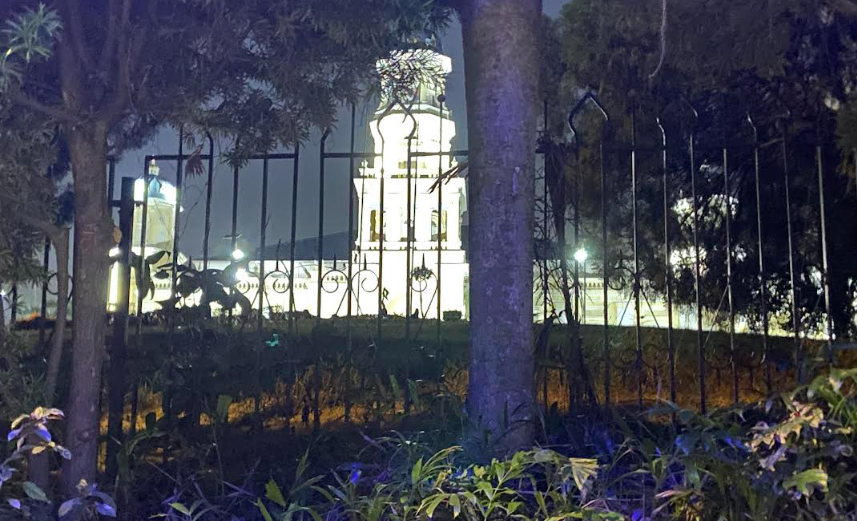
そしてもう一人の主要登場人物が、ジョホールの近代化の父と呼ばれたSultan Abu Bakar です。ヘッダーに使った(深夜で入ることはできませんでした)マレーシアでも有数の美しいモスクと言われるSultan Abu Bakar Mosque を建立したジョホールの英雄です。このJohor Ancient Temple は、Sultan Abu Bakar がTan Hiok Nee を支援して建てたそうなのですね!
Johor Bahru Old Chinese Temple – Wikipediaen.wikipedia.org
遺憾ながら、この辺の深い部分は旅行の後追いで、せっかく行ったJohor Ancient Temple で境内で参拝しても、あの当時の空気に遡ることはできませんでした💦。次回のジョホールバルへの訪問では、ぜひ心してJohor Ancient Temple及びTan Hiok Nee Street を歩き回り、立ち止まり、19世紀後半の空気を思い切り吸い込みたいと思います。
2. English
While working part-time to save up for travel expenses, I’ve also been enjoying my training for the Hong Kong Marathon. At the same time, I’ve been steadily progressing—albeit at a snail’s pace—with my main project: writing a travelogue about Malaysia. (Yes, slowly but surely…💦)
The tentative title is:
“A Journey Through the Chinatowns, Little Indias, and Related Temples of Malaysia and Singapore.”
Quite a long title, isn’t it?
Right now, I’ve just entered the Johor Bahru chapter.
When people think of Johor Bahru, I imagine that for many, the first image that comes to mind is of “stylish cafés.” It’s a place that borders Singapore and has several large-scale development plans in motion. I get the impression that the city’s shops and overall vibe are becoming increasingly trendy. Personally, the first place I visited in Johor was “MY LIBERICA.” Of course, the coffee was excellent, but I was pleasantly surprised when I was served water automatically—something common in Japan, but still refreshing to experience here.
Now, on to the main theme: “Chinatown and Little India.”
Let me add a bit more to what I previously wrote.
First, regarding the five cities I traveled to—excluding Kota Bharu and Klang—the cities were Penang, Malacca, Kuala Lumpur, Johor Bahru (JB), and Singapore. A significant common feature among them is, I believe, the degree of British influence.
So how does this tie into the temples?
In each place, I visited what was either the oldest or one of the oldest temples. In the chart I’ve made (not shown here), “CN” indicates Chinese temples and “IN” Indian temples.
One of the most important aspects of Malaysian history is immigration.
In the first stage, many Chinese and Indian immigrants—often traders from around the world—gathered in places like Malacca and Penang, which benefited from their strategic location along the Malacca Strait.
Then came the second stage: the establishment of the British Straits Settlements in 1826, consisting of Penang, Malacca, and Singapore. This led to an influx of people from China and India, brought in by the British, helping to form the multi-ethnic society we see in Malaysia today.
If we look at the oldest or near-oldest temples in each location, we can see that most in Malacca, Penang, and Singapore were established during the first stage, while Kuala Lumpur and Johor Bahru were somewhat later and fall into the second stage. This roughly outlines the relationship between British influence and the founding of temples.
Secondly, Johor was historically a powerful kingdom in its own right. Because of this strength, immigration came later, and so the establishment of temples also occurred later than in other regions.
One of the most notable figures in Johor’s Chinese history is Tan Hiok Nee (陳旭年). He was a Kapitan (a community leader for the Chinese) and in 1875 founded the Johor Ancient Temple. The Chinatown area centered around Tan Hiok Nee Street, named in his honor, somehow spreads out in a way that almost wraps around Little India.
Another key historical figure is Sultan Abu Bakar, known as the father of Johor’s modernization. He built the Sultan Abu Bakar Mosque, considered one of the most beautiful mosques in Malaysia (I couldn’t enter as it was late at night). He was a hero of Johor, and interestingly, it is said that the Johor Ancient Temple was built with the support of Sultan Abu Bakar himself, in collaboration with Tan Hiok Nee!
Regrettably, I only discovered these deeper historical connections after my trip. Even though I visited and prayed at the Johor Ancient Temple, I couldn’t fully immerse myself in the historical atmosphere of that era 💦.
Next time I visit Johor Bahru, I want to walk thoughtfully through Johor Ancient Temple and Tan Hiok Nee Street, take my time, and truly breathe in the air of the late 19th century.

コメント